Here you will find pictures and descriptions of the most commonly used drugs.
Drug Use and Addiction
It is often difficult to tell if someone is under the influence of drugs as different drugs can have different side effect people in different ways.
Here is a quick reference guide to identify possible drug addiction:
depression
loss of appetite
sudden swing in mood and behaviour
secretiveness
deceitfulness
stealing money or items
excessive spending and borrowing money.
How to recognise the drugs
There is no easy way to identify illegal substances except by analysis. However, signs to look out for can include:
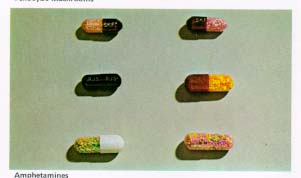
Amphetamines (Amphetamine Sulphate)
Category
Stimulant, central nervous system—Amphetamine; Dextroamphetamine; Methamphetamine.
Description:
Comes in powder and tablet forms. Commonly called: Speed - Whiz - Amph.
Physical Symptoms:
Confused thinking; alternating moods; aggressive behaviour; abundance of energy; jerky movements; dry mouth; no appetite; inability to sleep; exhaustion; toxic psychosis.
Look For:
Folded wraps of paper about 2.5 ins by 2.5 ins. When unfolded; powder may be white, greyish white, pink or yellow in colour; tablets; needles; and syringes.
Look For:
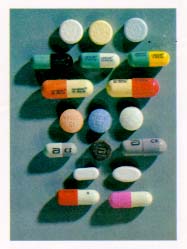
Tablets and capsules of various colours - green and yellow for Temazepam; needles and syringes.
Dangers:
Death from overdose; worsened depression; death due to respiratory failure; HIV/hepatitis if shared injecting.
Cannabis (Marijuana, Hashish)
Category
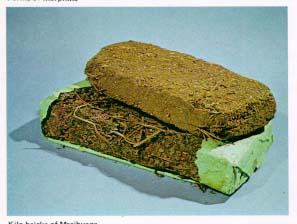
MARIJUANA also know as grass, pot, reefer, joint, hashish, cannabis, weed, and Mary Jane.
Description:
Comes in resinous lumps, leaves, stalks and seeds or as a concentrated oil. Smoked or taken orally. form. Commonly called: Pot - Grass - Wacky Baccy - Hash - Ganja - Hash Oil - Blow.
Physical Symptoms:
Lack of coordination; red eyes; dilated pupils; increase in heart rate; irrelevant giggling.
Look For:
Butt ends (roach) of hand-rolled cigarettes (joint); strong smell of burning leaves; large cigarette papers.
Dangers:
Coordination and reaction time impaired; dangerous to drive under the influence; anxiety and illusions; possible psychological changes; damage to lungs as tobacco.
Cocaine
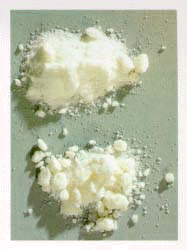
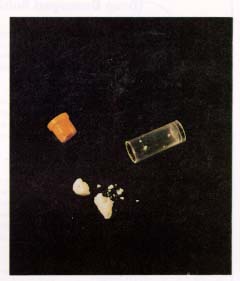
Cocaine is an illegal drug and may be made into a white powder that can be snorted (sniffed) into your nose. It may also be mixed with water and injected (given with a needle) which is stuck into a vein. The white powder may also be made into "crack" cocaine or "free base" and smoked.
Description:
Comes in crystalline white powder form. Commonly called: Coke - Snow - Charlie.
Look For:
Folded wraps of paper; syringes and needles; handbag mirrors and razor blades; straw for sniffing or snorting.
Dangers:
Hallucinations; agitation; paranoia; convulsions; possible death; addiction; HIV/hepatitis if shared injecting.
Crack
Crack is cocaine that has not been neutralized by an acid to make the hydrochloride salt. This form of cocaine comes in a rock crystal that can be heated and its vapors smoked.
Description:
Crystallised form of cocaine. Illegally manufactured. Can be smoked, usually using a water pipe.
Physical Symptoms:
Rapid onset of symptoms as for cocaine; extreme euphoria; loss of self control; dilated pupils; agitation; aggressive behaviour.
Look For:
Paper wraps; small plastic bags; water pipes.
Dangers:
Highly addictive; depression of respiratory centre; direct toxic action on heart - can be fatal.
Glues and Solvents
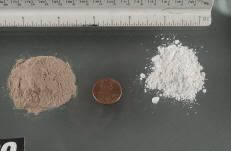
Heroin is an addictive drug and is processed from morphine, a naturally occurring substance extracted from the seedpod of the Asian poppy plant. Heroin usually appears as a white or brown powder.
Side Effects of This Drug
Short term heroin side effects include but are not limited to:
Rush
Depressed respiration
Clouded mental functioning
Nausea and vomiting
Suppression of pain
Spontaneous abortion
With long-term use or high doses
Long term heroin side effects include but are not limited to:
Addiction
Abscesses
Collapsed veins
Bacterial infections
Infection of heart lining and valves
Arthritis and other rheumatologic problems
Infectious diseases, for example, HIV/AIDS and hepatitis B and C
Look For:
Wraps of paper; syringes and needles; blackened tinfoil; tourniquet (belt, tie, or string); bent spoons; spent matches; bottle caps.
L.S.D
LSD (lysergic acid diethylamide) is one of the major drugs making up the hallucinogen class of drugs. Hallucinogens cause hallucinations—profound distortions in a person’s perception of reality.
Side Effects of This Drug
The effects of LSD are more commonly known as a ‘trip’ which may lead the user to experience their surroundings in a very different way. Sense of movement and time may speed up or slow down. Objects, color and sound may become distorted. Once a trip starts, there’s no way of stopping it. Effects can last up to twelve hours depending on the dose.
With long-term use or high doses
Two long-term effects persistent psychosis and hallucinogen persisting perception disorder (HPPD), more commonly referred to as "flashbacks"-have been associated with use of LSD.
Look For:
Small tablets or squares of paper; occasional limb trembling and shivering; expressions of fear and anxiety.
MDMA
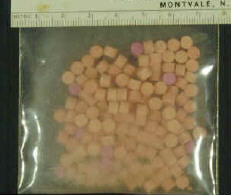
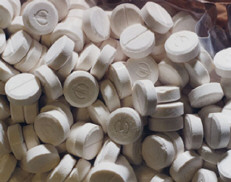
MDMA (3,4 methylenedioxymethamphetamine) is a synthetic, psychoactive drug chemically similar to the stimulant methamphetamine and the hallucinogen mescaline.
Side Effects of This Drug
Effects of MDMA on the Brain
MDMA appears to have several effects on the brain. MDMA can:
cause the release of the neurotransmitter called serotonin.
block the reuptake of serotonin by the synaptic terminal that releases it.
deplete the amount of serotonin in the brain.
BE CAREFUL:
Ecstasy is illegal and a conviction for possession can carry long prison sentences.
Frequent or high doses have been linked to neurotoxic damage in laboratory animals. It is still unknown whether such damage occurs in humans or, if it does, whether this has any long-term, negative consequences.
Some people experience depression after taking MDMA. This is caused by MDMA's action on certain brain chemicals.
There have been some deaths associated with MDMA. Usually these have been a result of heatstroke from dancing for long periods of time in hot clubs without replenishing lost body fluids.
Much of what is sold as "ecstasy" on the black market actually contains other drugs, some of which can be more dangerous than MDMA, like PMA, speed, DXM and PCP.
Mixing ecstasy with alcohol or other drugs increases the risk of adverse reactions.